
Designing the Arrival: From Street to Garden to Interior
A home begins long before the front door opens. The experience starts at the street, with the first view of the facade and the gradual transition from public to private. It continues along the path, through the garden, across the threshold, and into the rooms beyond. At our Park Avenue project, we approached arrival as a sequence rather than a single moment. The site, architecture, interiors, and landscape were considered together so that each part could inform the next.
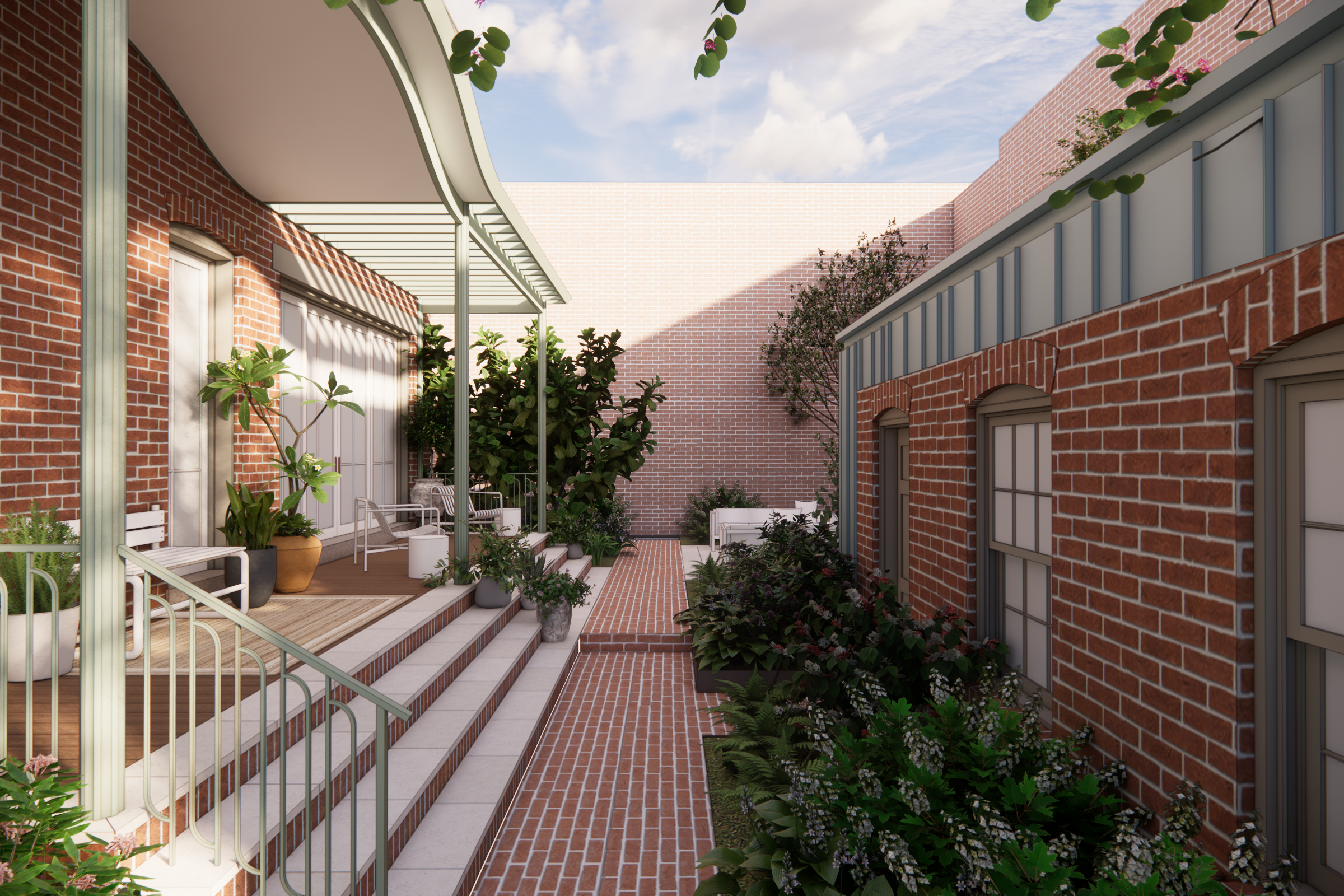
THE APPROACHThe view from the street establishes the first sense of the home, but the experience changes as you move closer.
The facade, planting, pathways, and exterior lighting all shape the approach. At Park Avenue, we studied how the house would be seen from different points, where the eye would naturally travel, and which views should unfold more slowly.
There is value in not seeing everything at once. A garden can frame part of the facade, while a change in the path can create a moment of pause before reaching the entry. By the time someone arrives at the front door, the house has already begun to establish its rhythm.
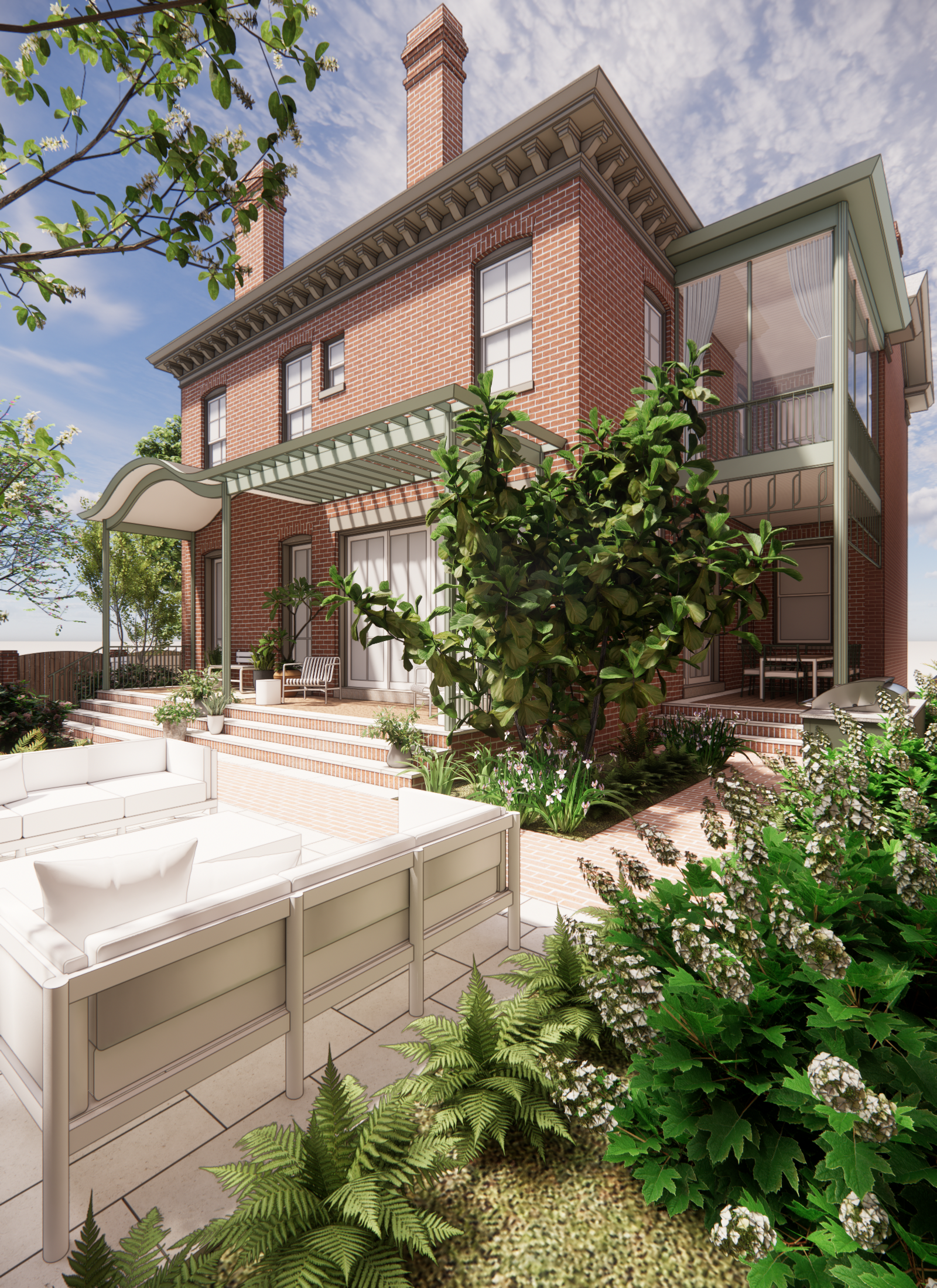
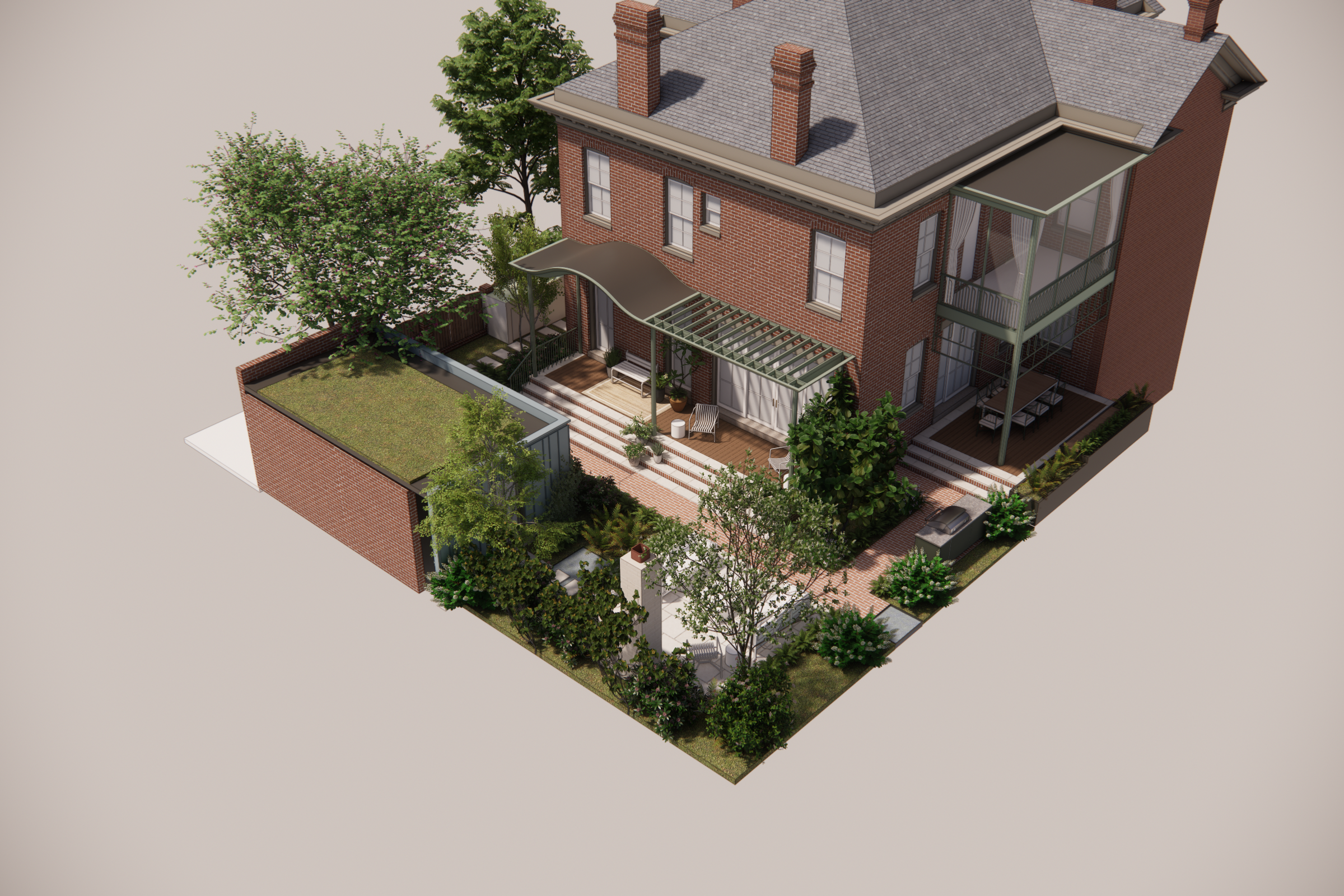
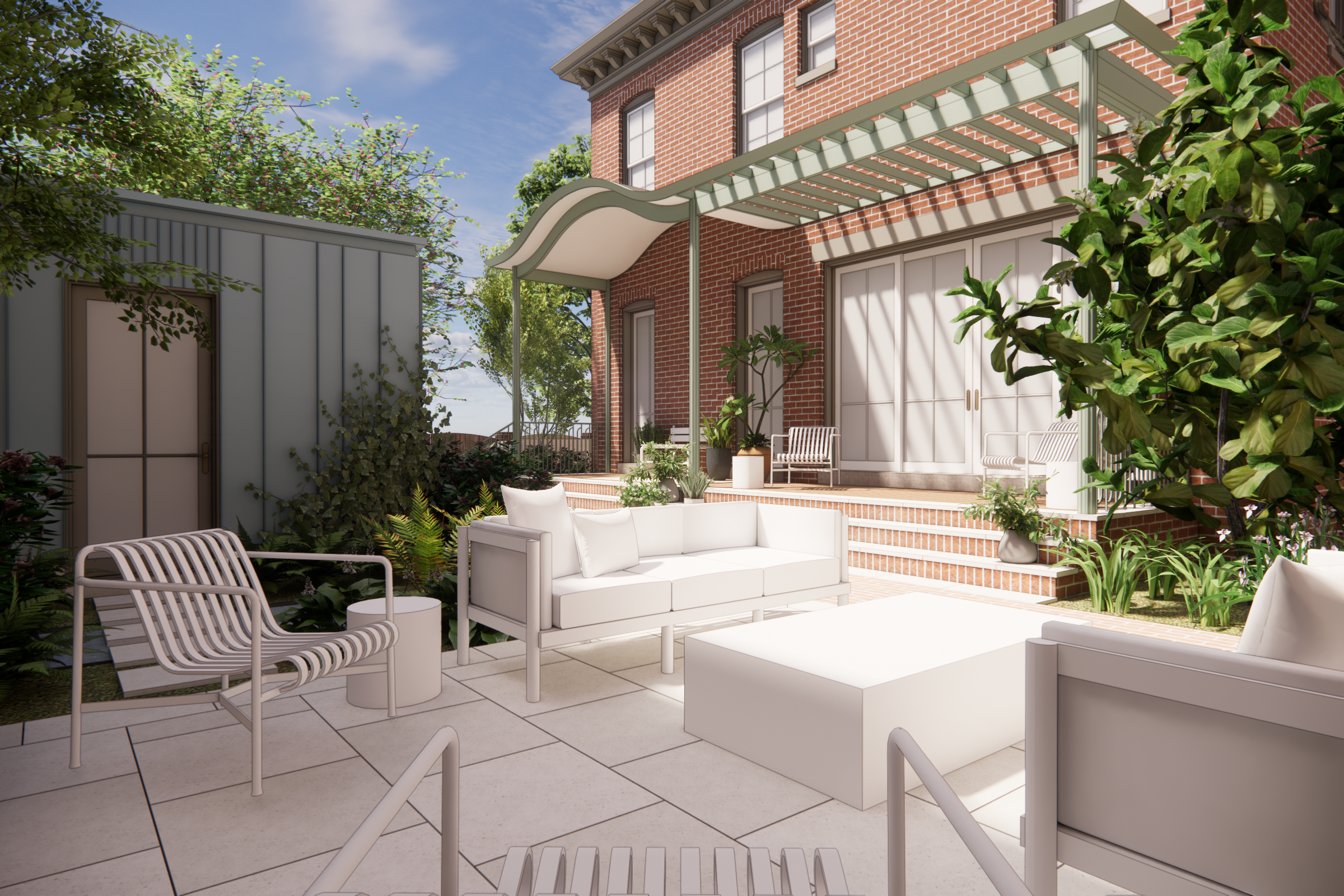
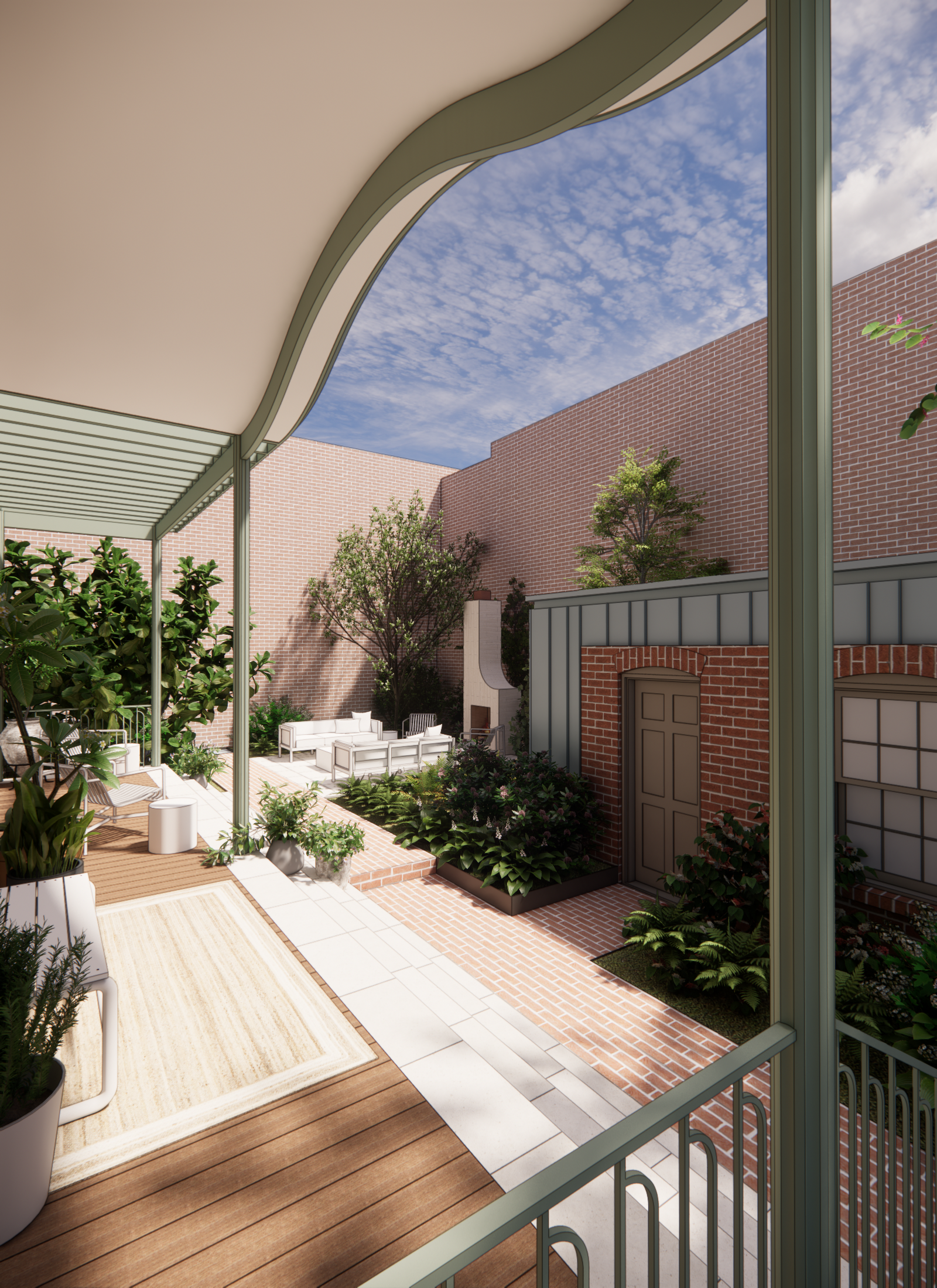
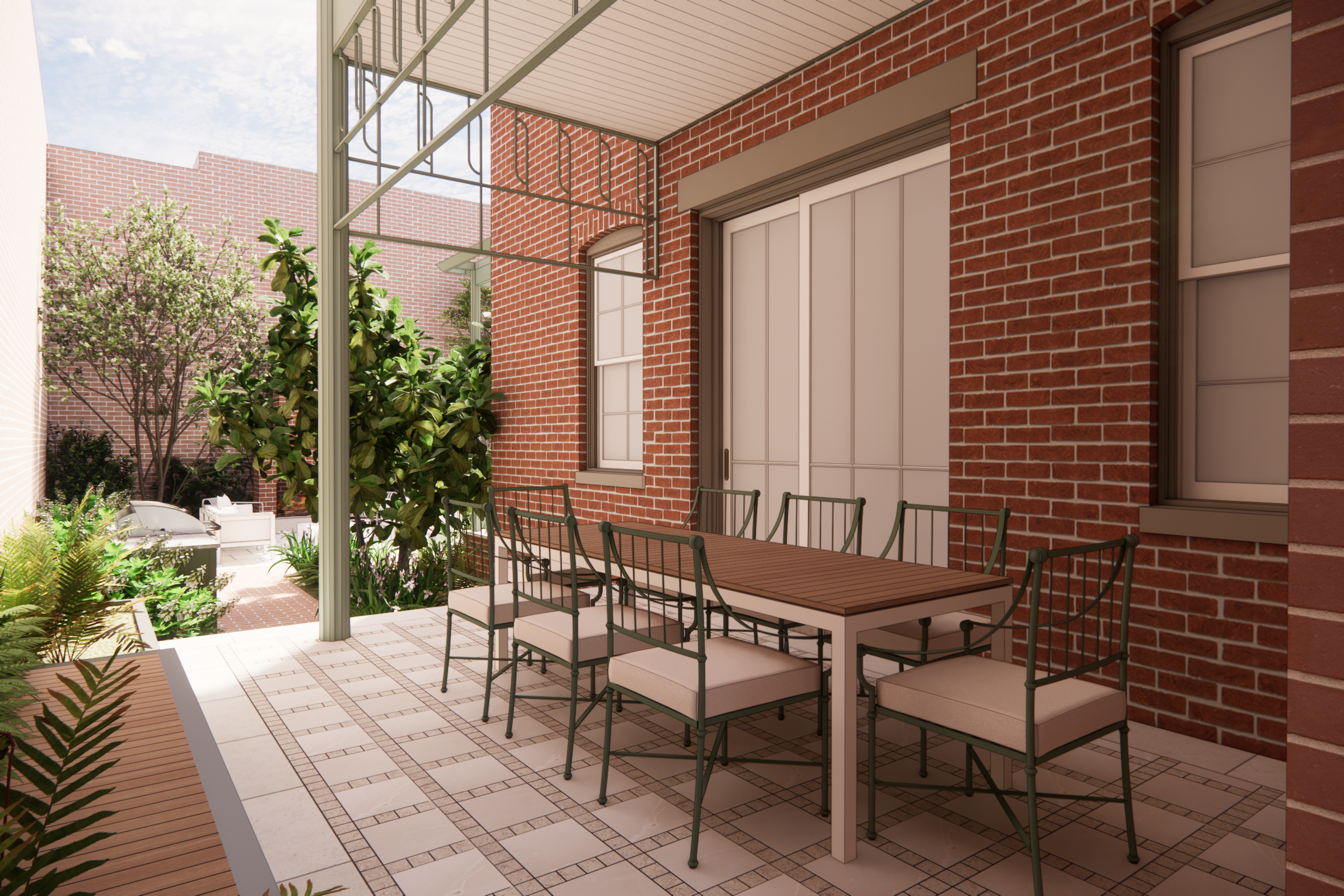
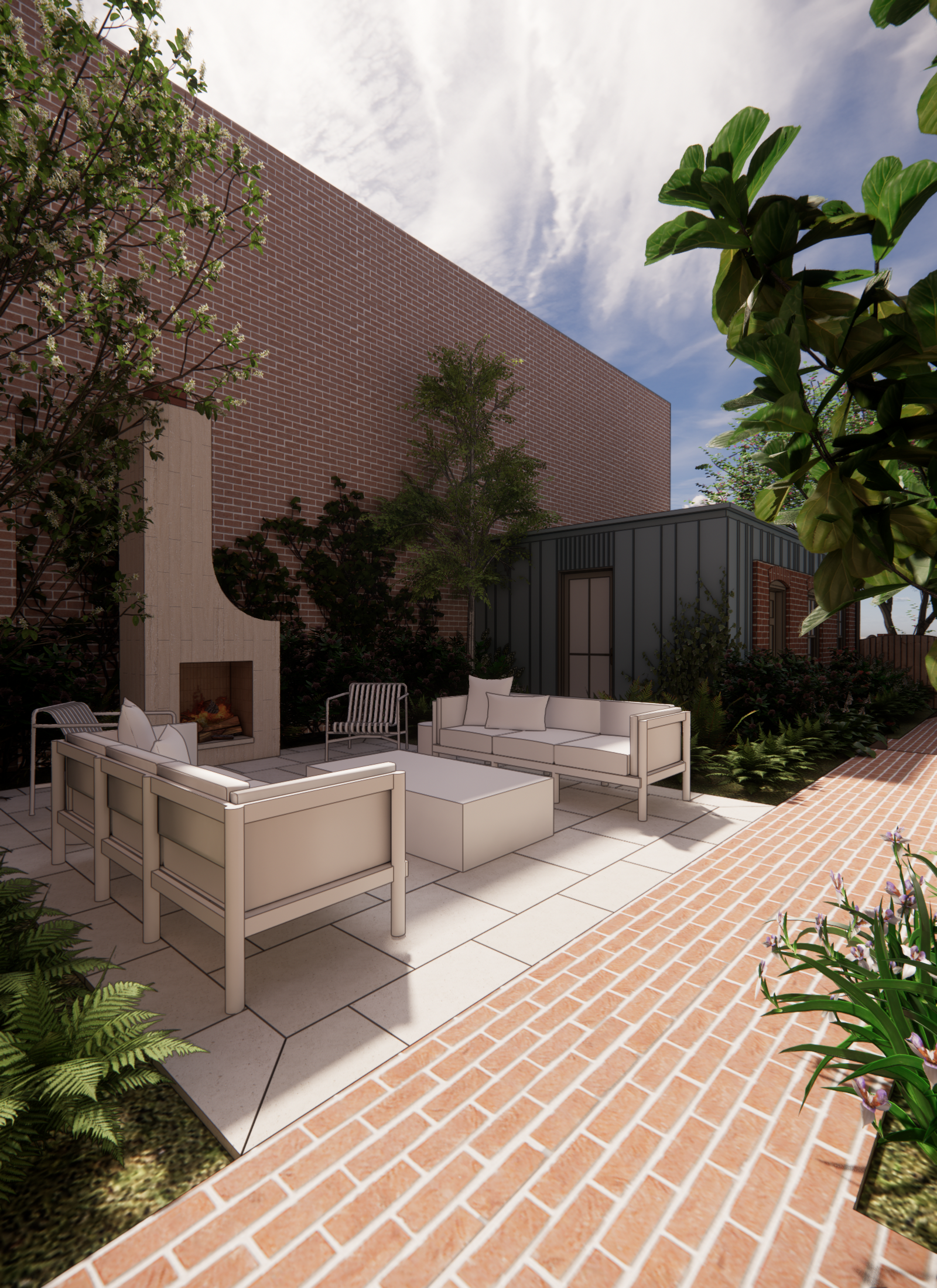
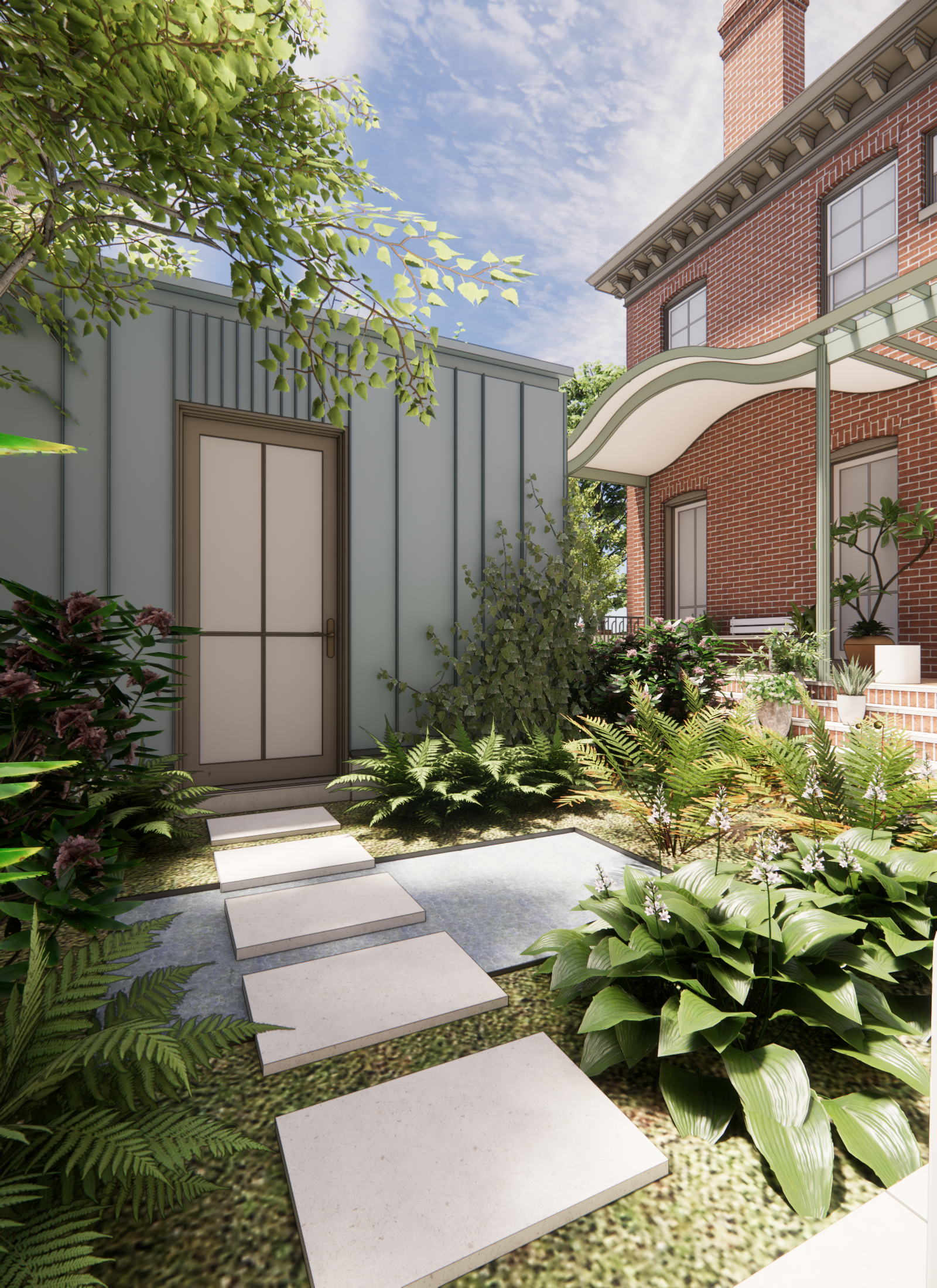
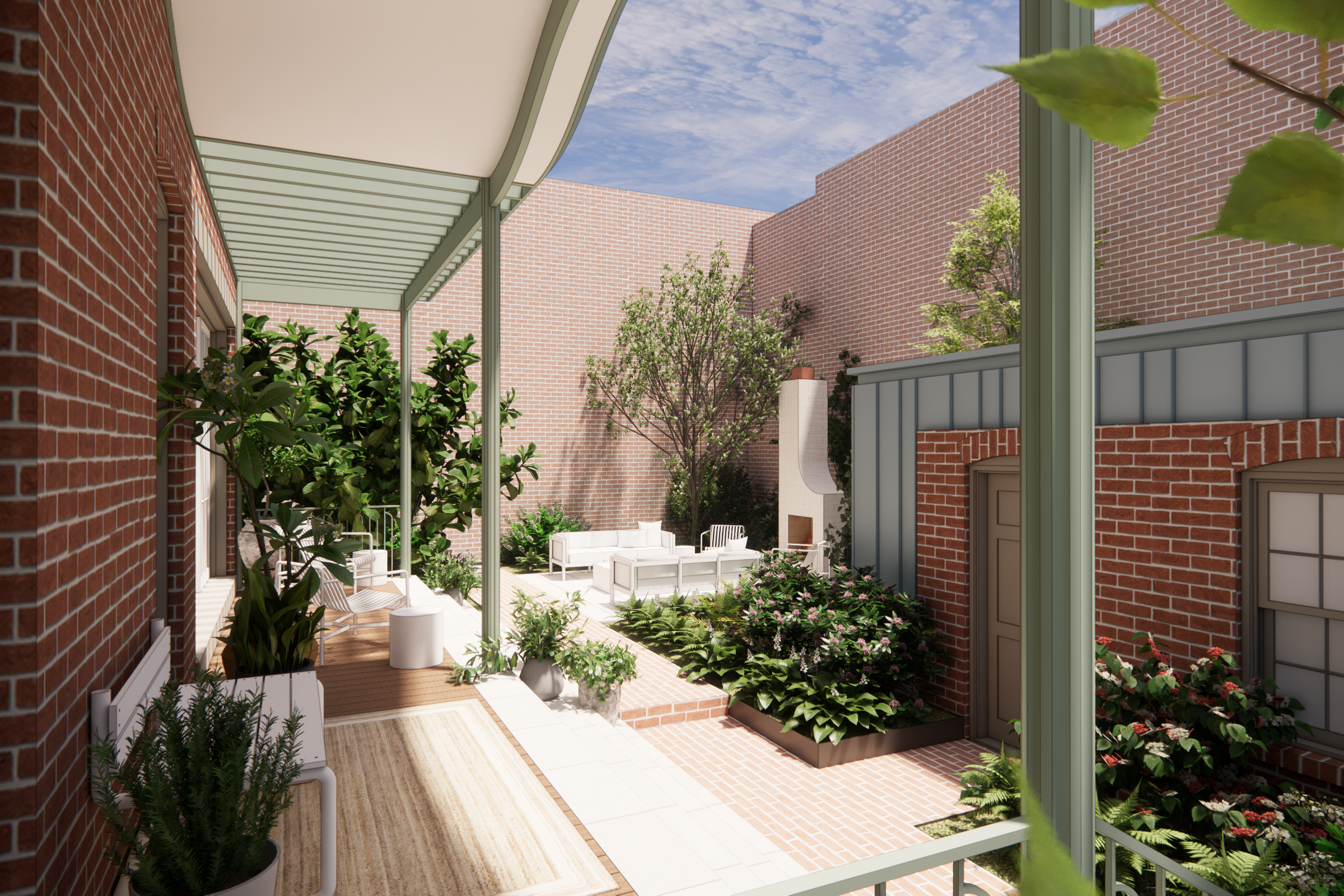
Inside, the sequence continues through sightlines, lighting, changes in scale, and circulation. A view toward the garden can draw you forward. A shift in ceiling height can make one space feel intimate before the house opens into a larger room. The position of a doorway can offer a glimpse of what comes next without revealing it completely. These decisions are often quiet, but they shape how naturally someone understands and moves through a home. When they are considered early, circulation becomes part of the experience rather than simply a path between rooms.
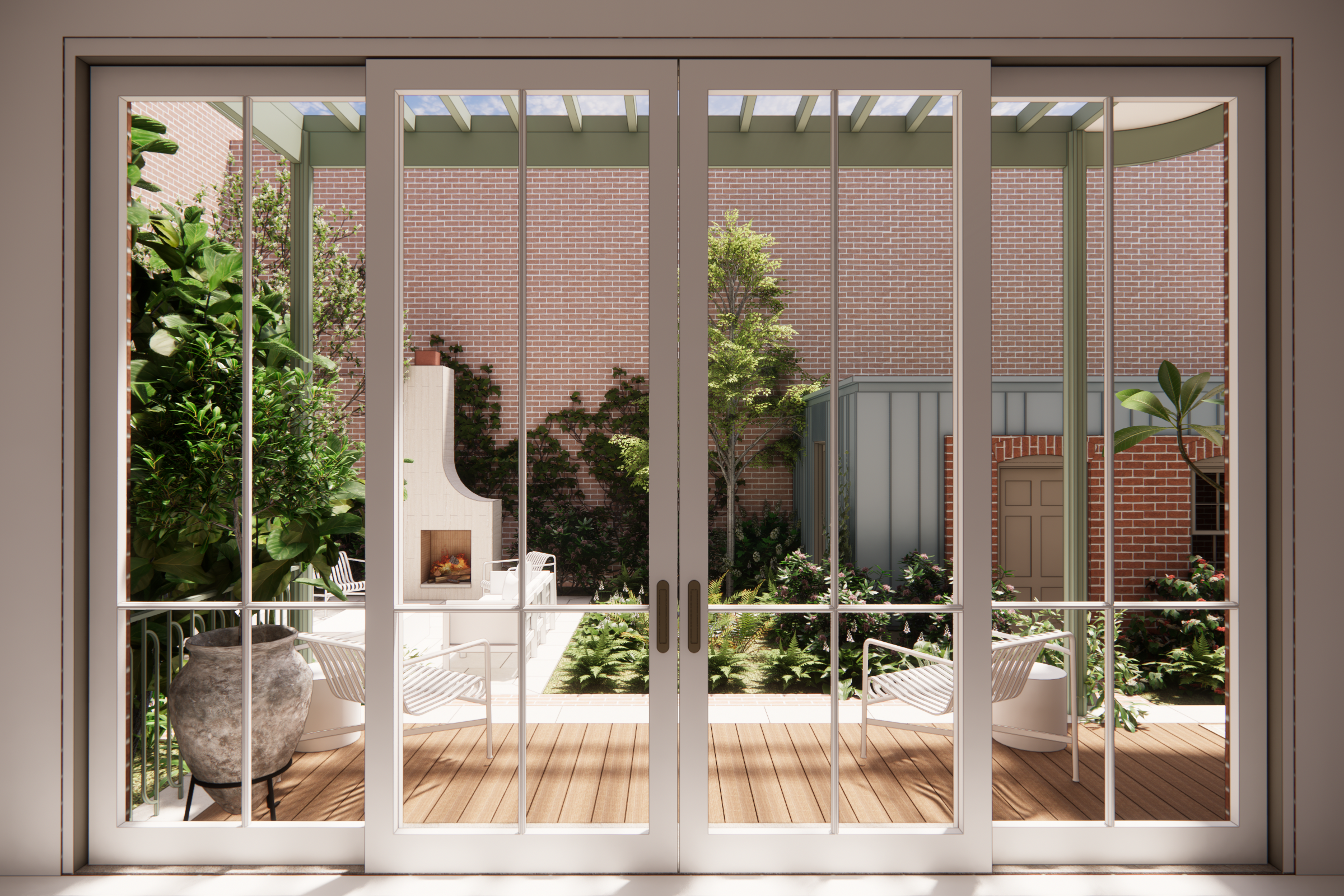
A HOSPITALITY MINDSETSome of the best hotels begin creating an experience long before a guest reaches their room.
It may start with the approach to the property, the planting around the entrance, or the first view into the lobby. Architecture, interiors, landscape, and lighting work together to establish a sense of place from the beginning. We often return to this idea in our residential work. A home that does not just begin in the living room. The spaces leading to it deserve the same level of thought.
Park Avenue gave us the opportunity to consider the project across every scale, from its relationship to the street down to the first details encountered inside. The result is an arrival that unfolds gradually and feels connected from outside to in.
