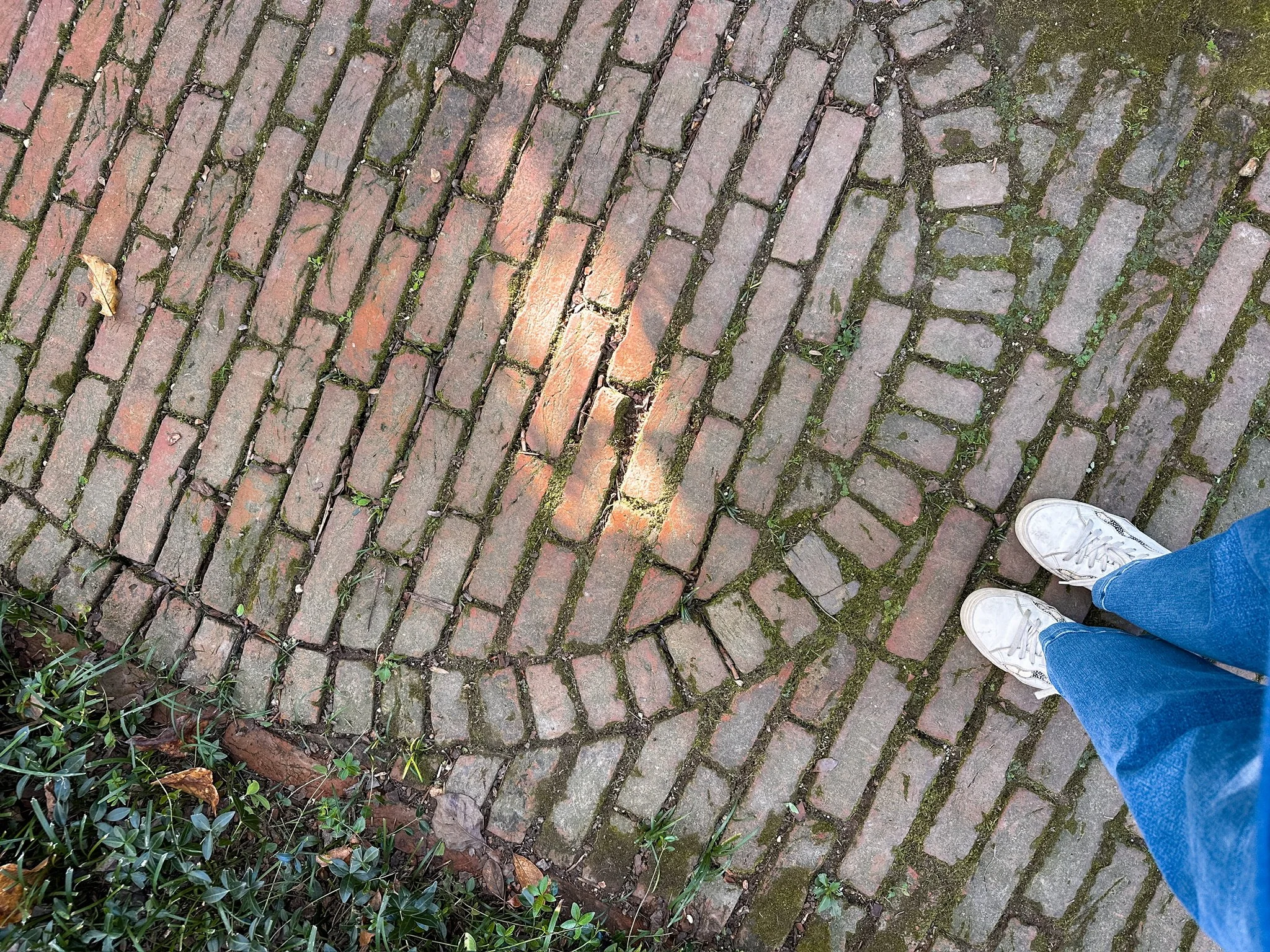
A garden does not have to reveal itself all at once.
At Dumbarton Oaks in Washington, DC’s Georgetown neighborhood, the landscape unfolds slowly, one outdoor room at a time. Each space feels distinct, but walls, planting, paths, and changes in elevation create a natural progression from one to the next. Designed by landscape architect Beatrix Farrand, the garden shows how movement and discovery can shape a landscape just as much as the plants themselves.
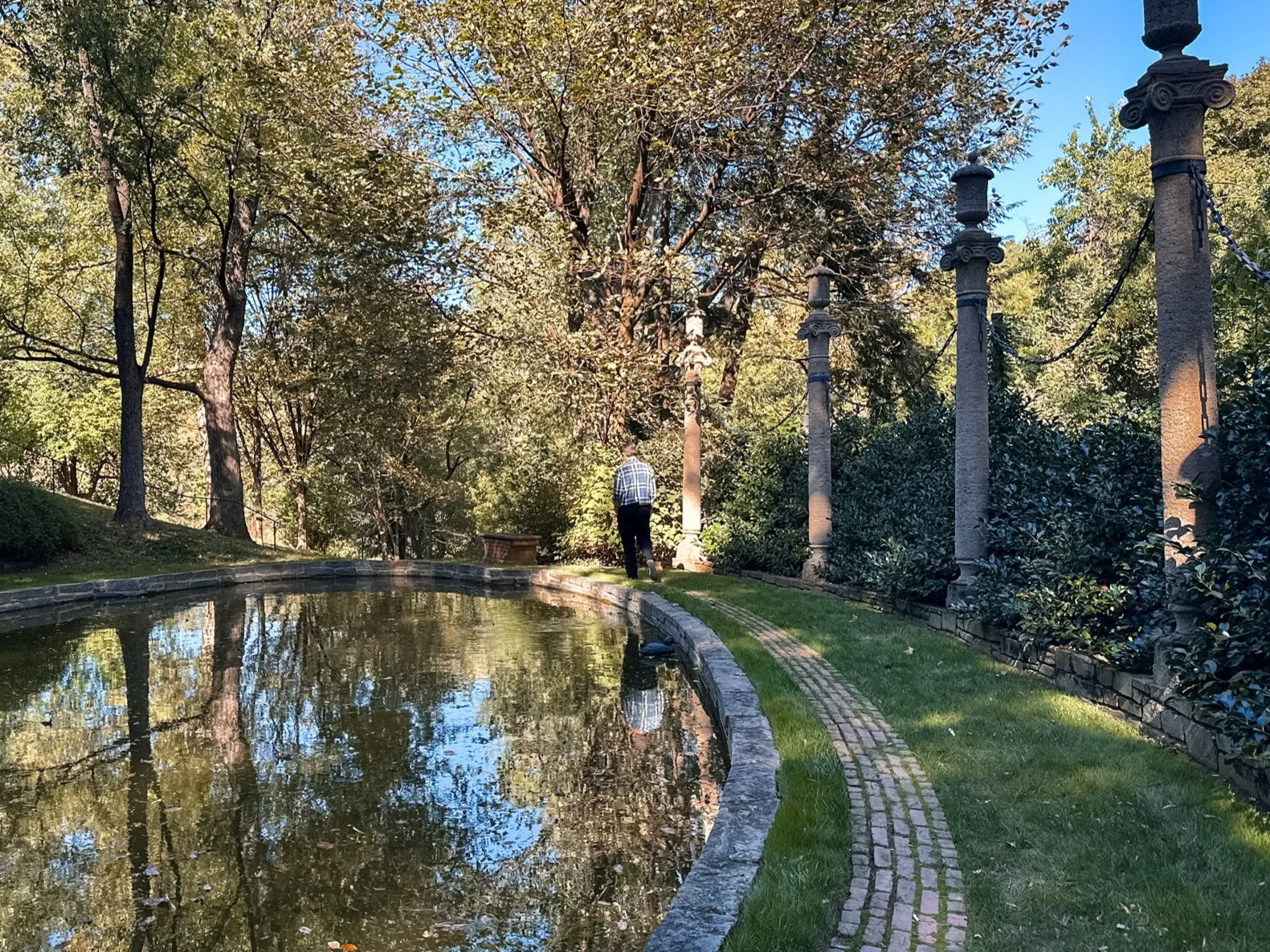
A SERIES OF ROOMS
The idea of the garden room is especially clear at Dumbarton Oaks.
Hedges, walls, trellises, and layered planting create enclosure, giving each space its own scale and character. Some rooms feel open and formal. Others are quieter, more intimate, and tucked into the landscape. Together, they form a sequence that feels considered without feeling rigid. You are always aware that there is more beyond the space you are in, even when you cannot quite see it yet.

The Art of Discovery
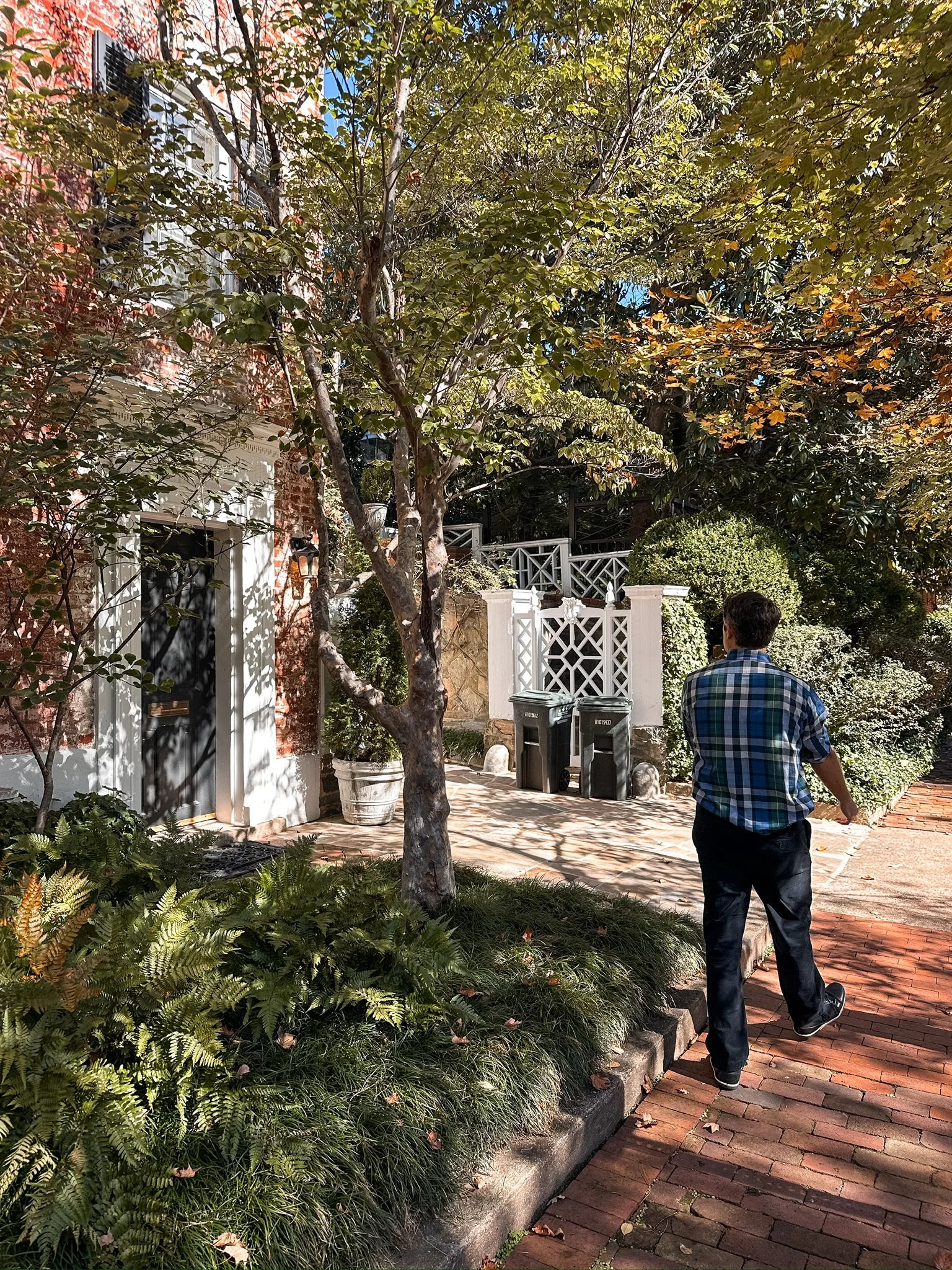
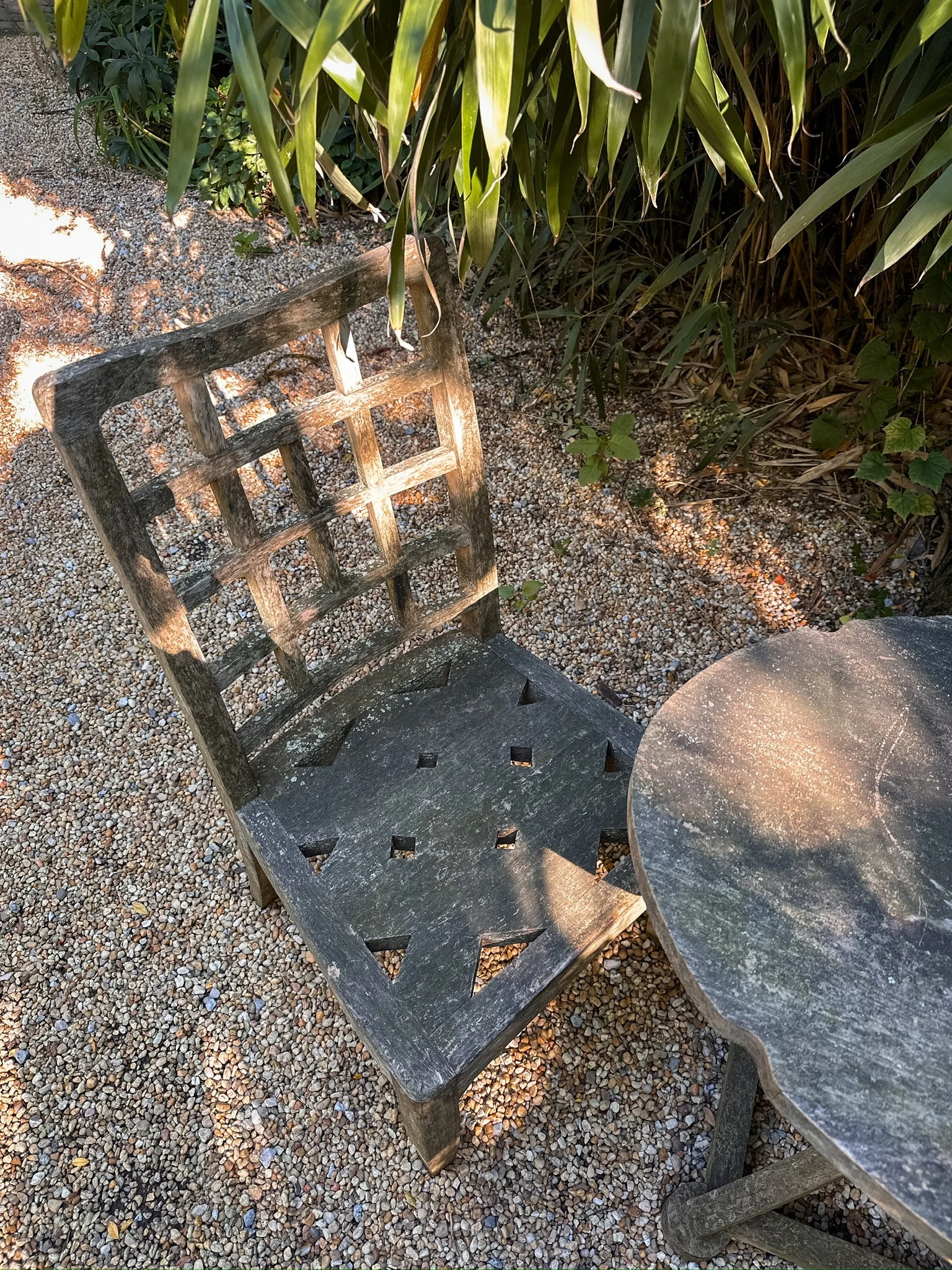
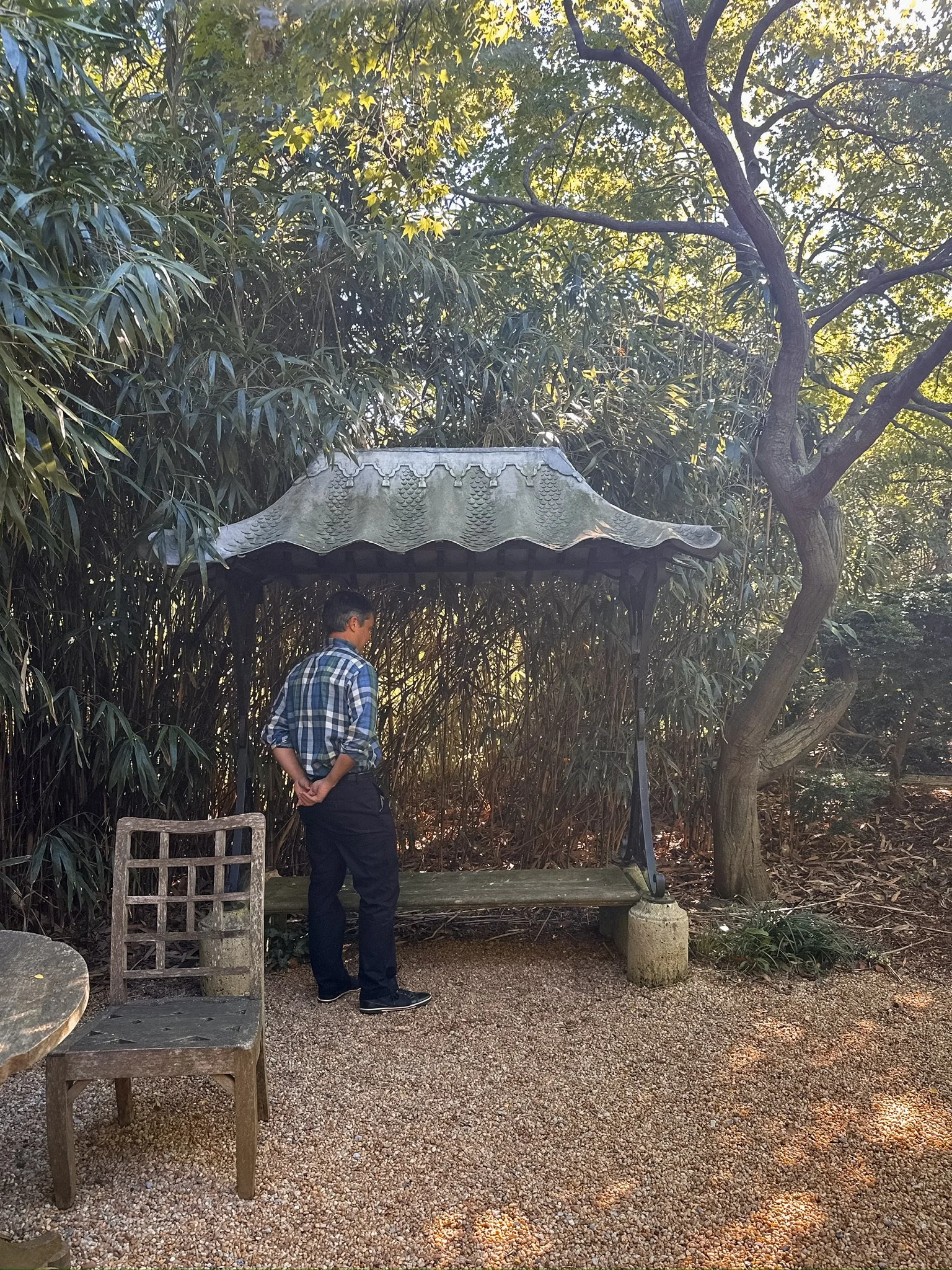
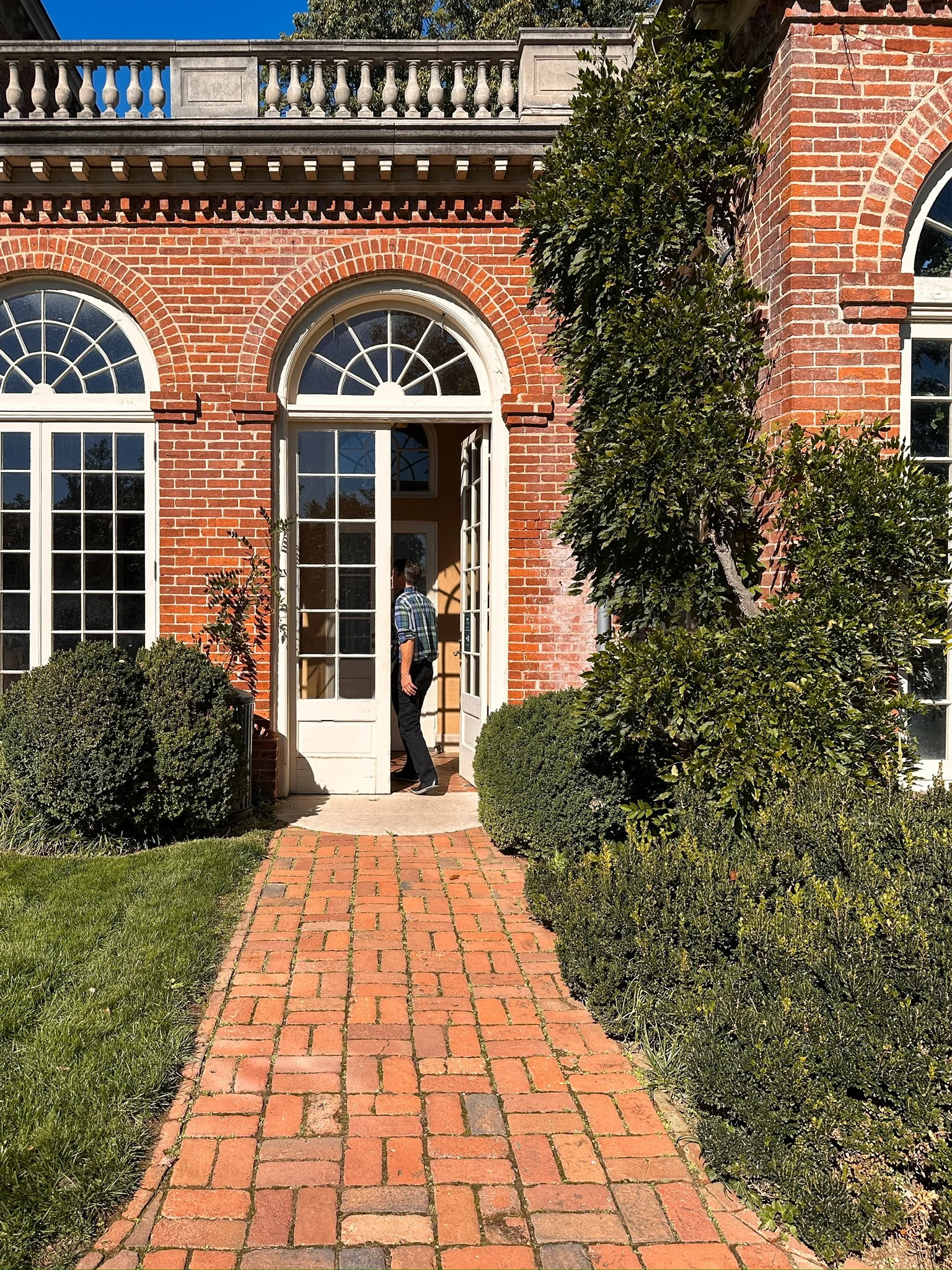
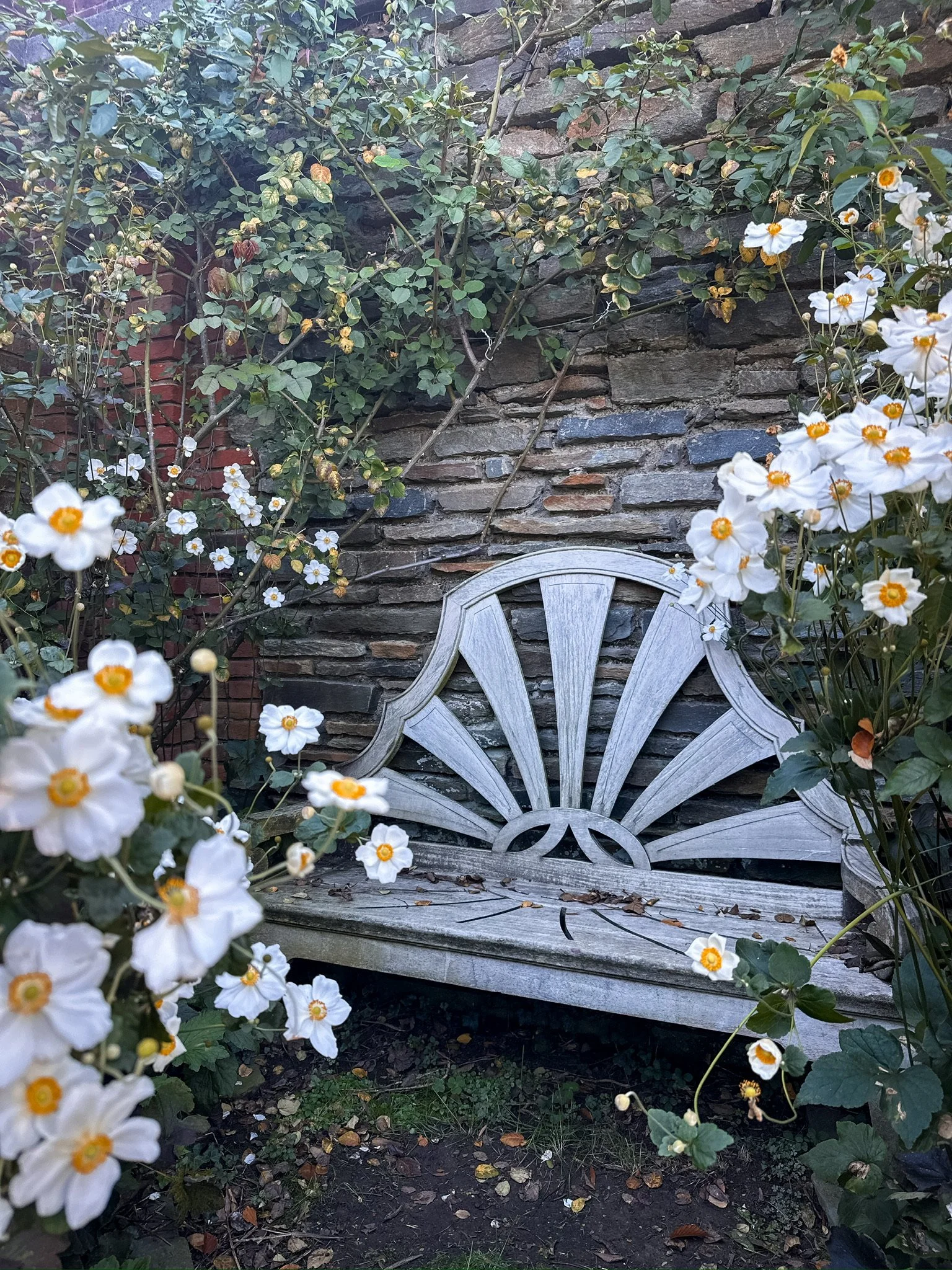
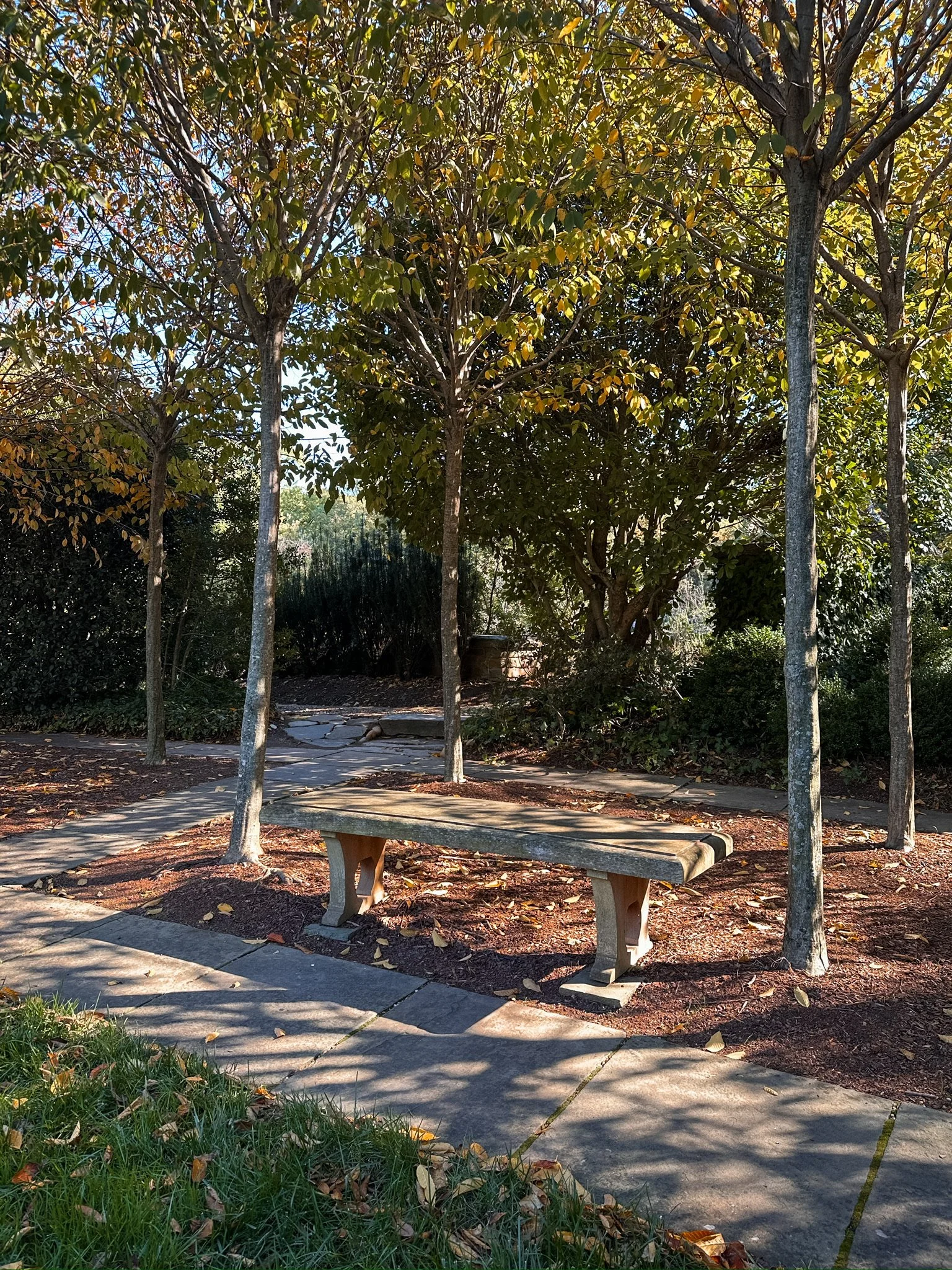
Much of the garden’s impact comes from what remains hidden. A path turns before revealing where it leads. A wall or planting screen offers a partial view of the next terrace. A bench appears within the landscape as a place to stop before continuing. Because the garden is revealed gradually, moving through it becomes part of the experience.
CHOREOGRAPHY OF LANDSCAPE
The pauses, transitions, and glimpses ahead give each new space a greater sense of arrival.
Working With The Land
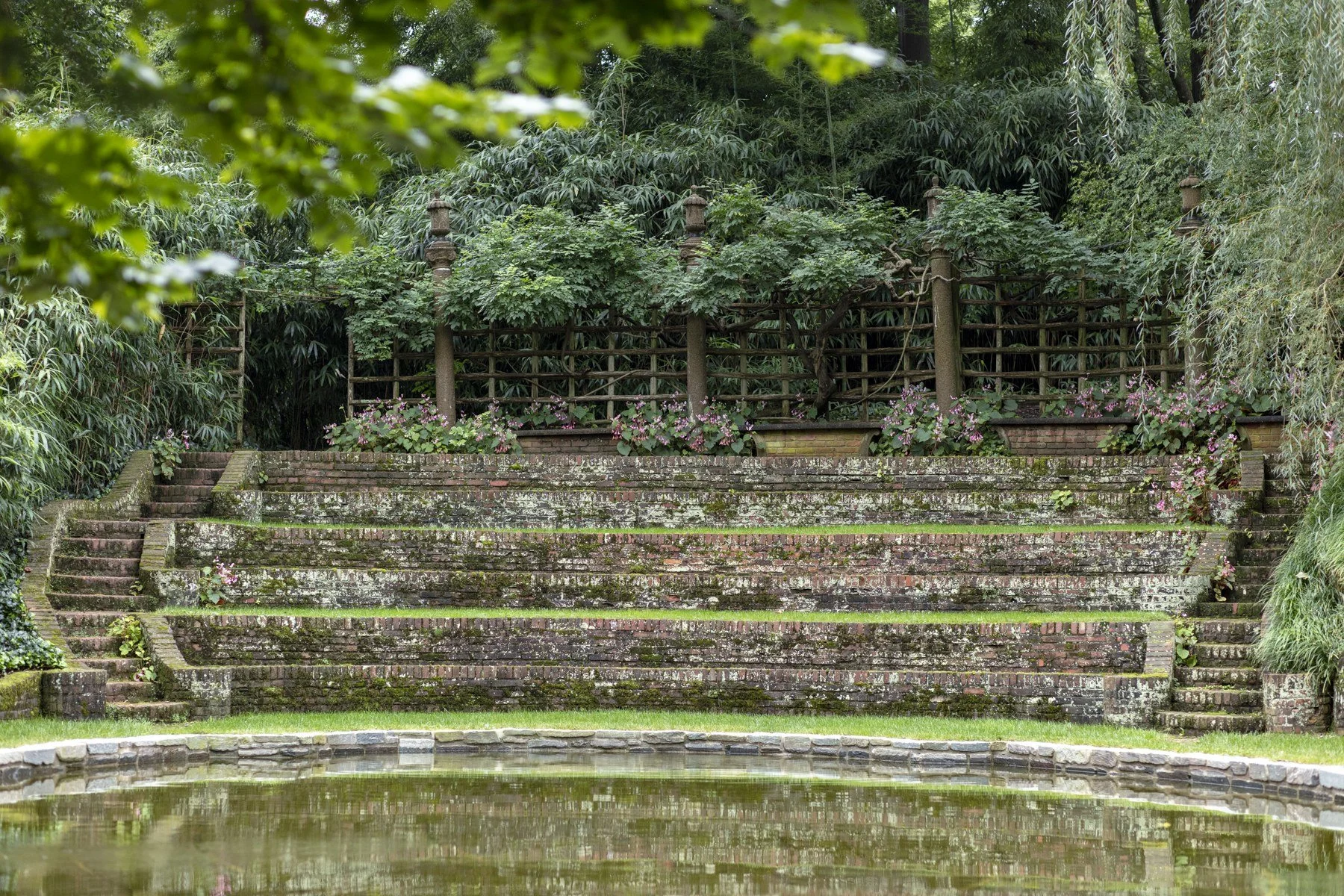
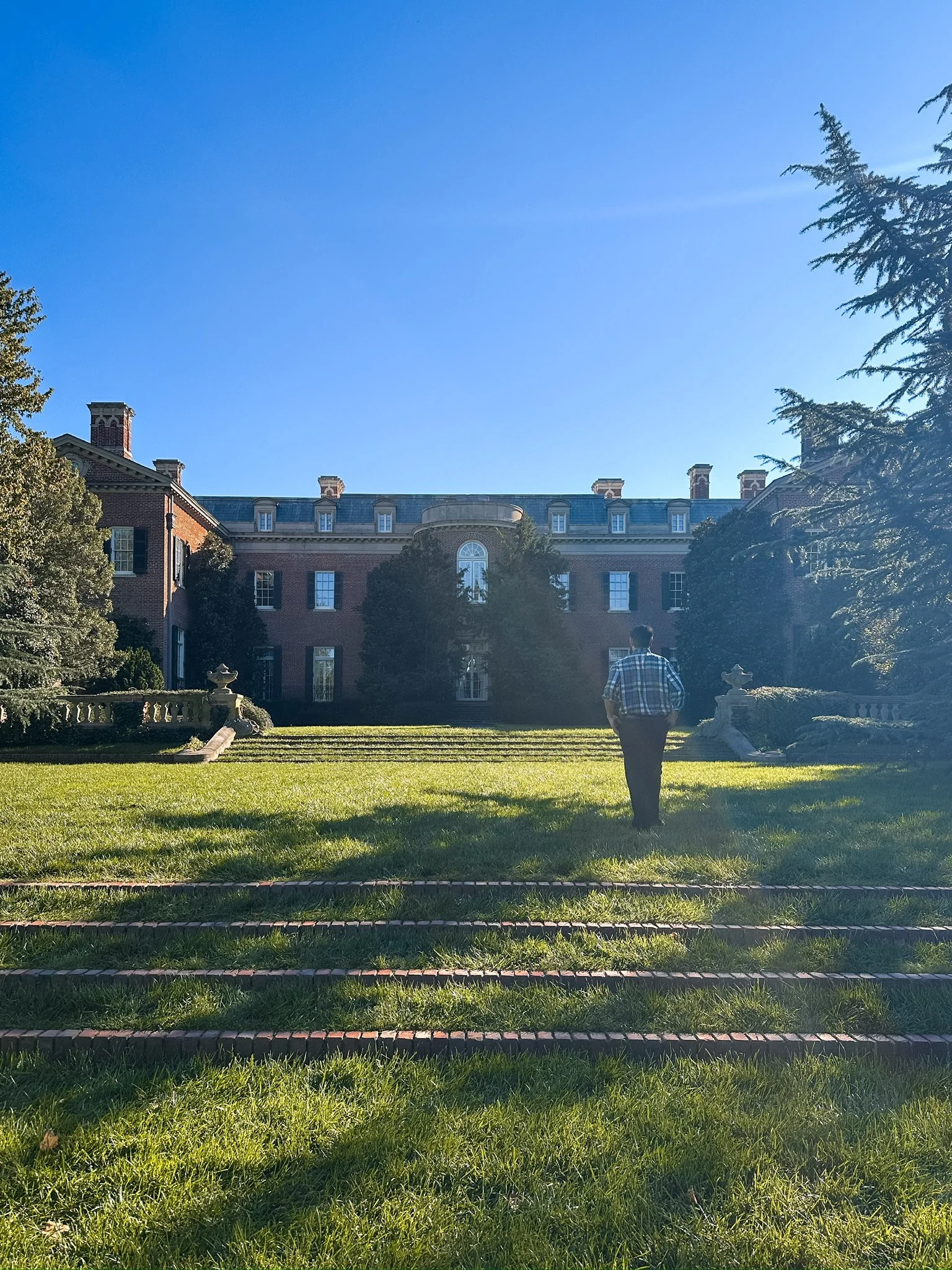
The changing grade at Dumbarton Oaks is essential to how the garden is experienced. Terraces, stairs, slopes, and retaining walls allow the landscape to step down from the house. As you move higher or lower, the views shift and the relationship between the garden rooms changes.
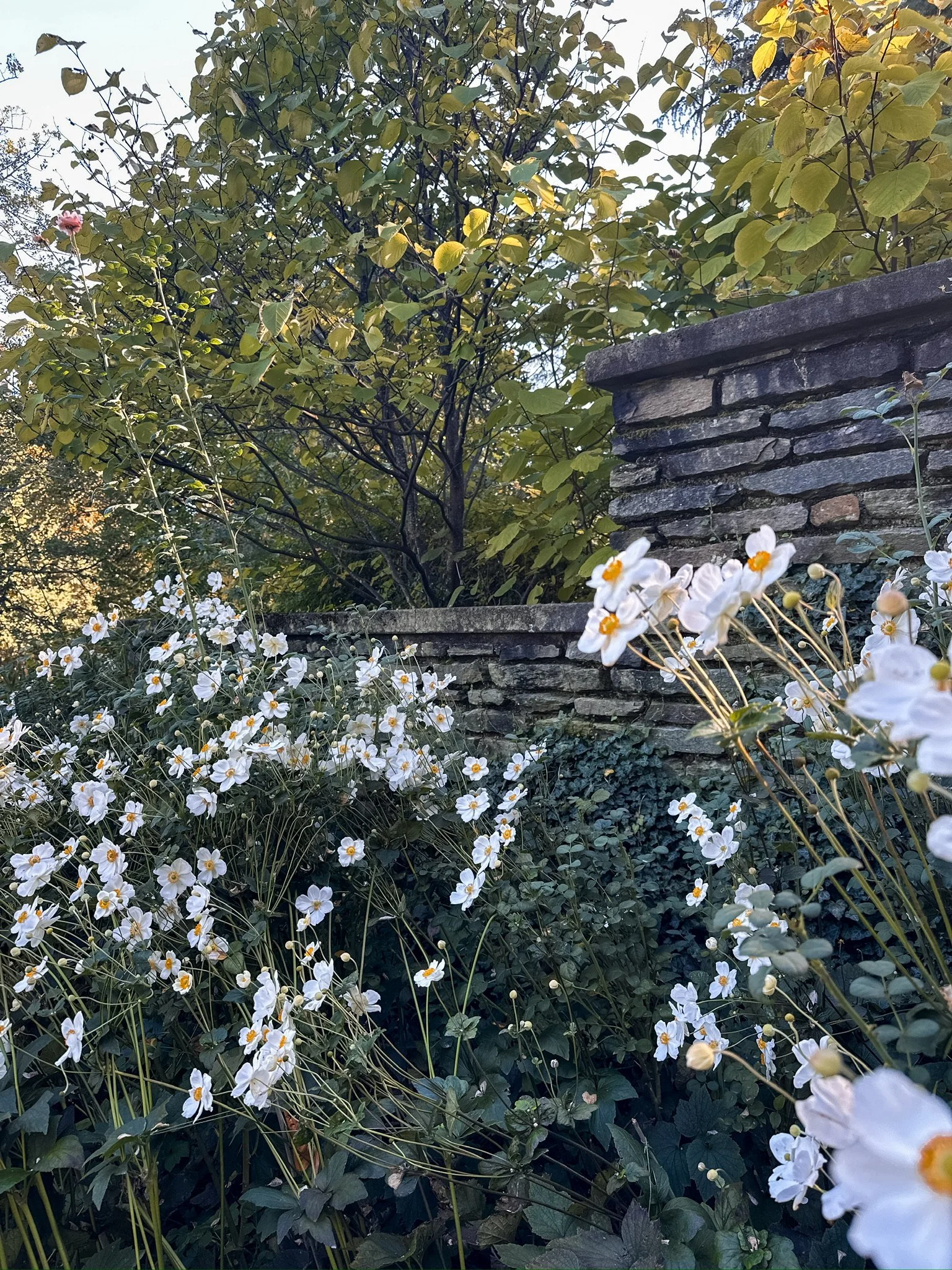
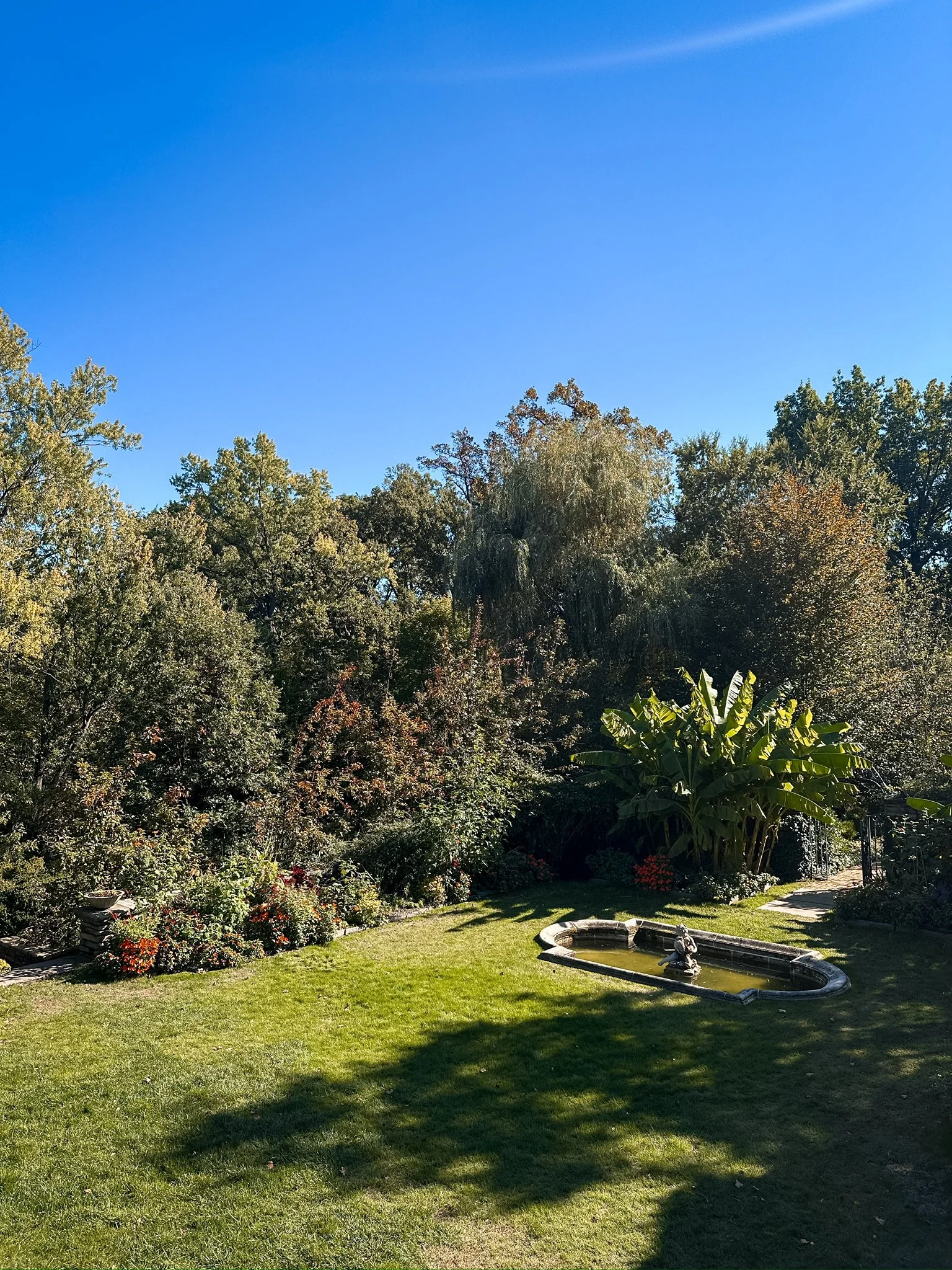
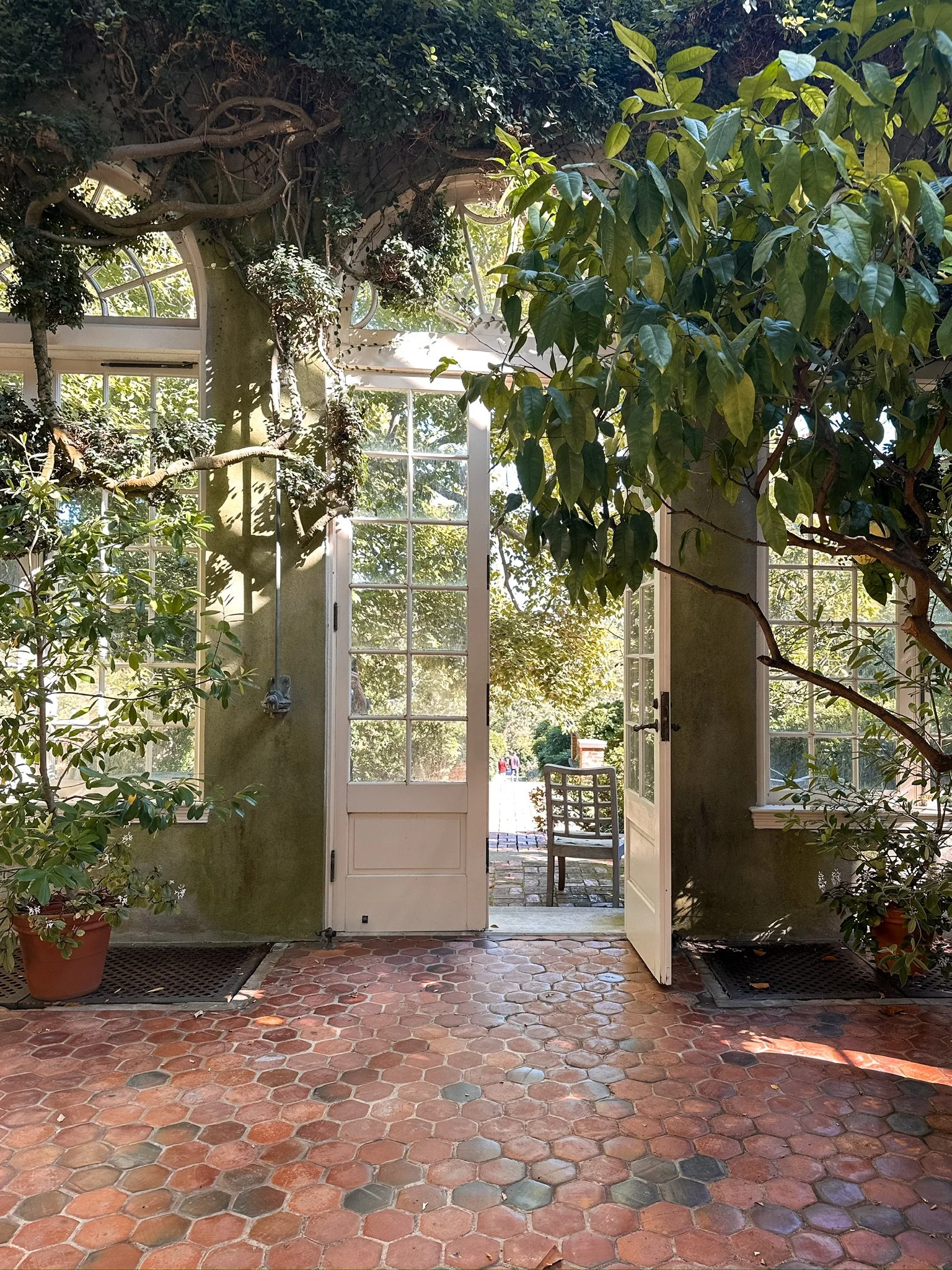
The descent from the Orangery is a particularly memorable example. Terrace walls and layered planting reveal only fragments of what lies below. Tucked-away benches and masses of Japanese anemones create smaller moments along the way before the garden opens into the Fountain Terrace, with its lawn, limestone pools, and unexpected tropical planting.
The sequence feels carefully planned, but the discovery still feels natural.
Materiality
Planting is only one part of what defines these spaces.
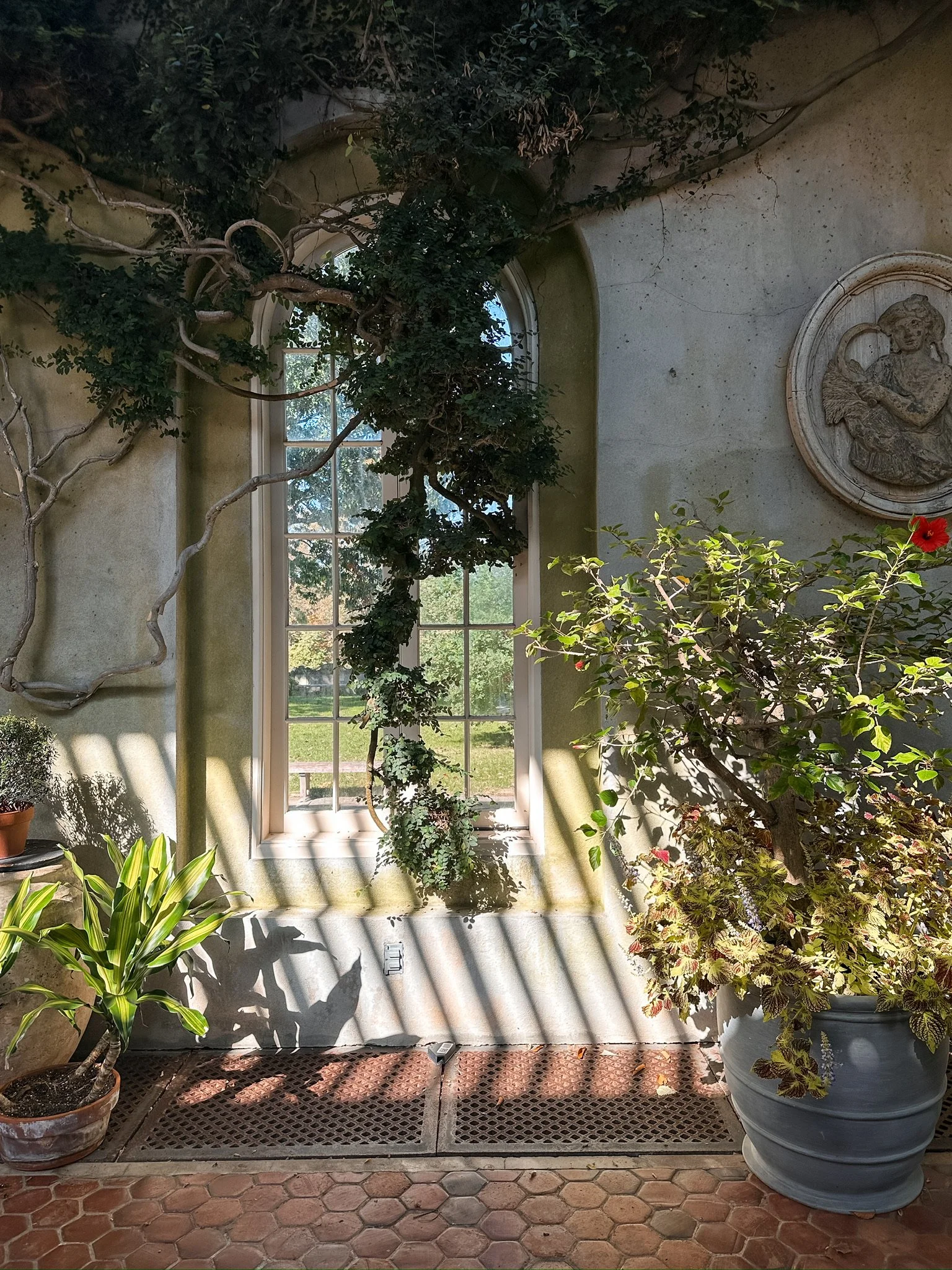
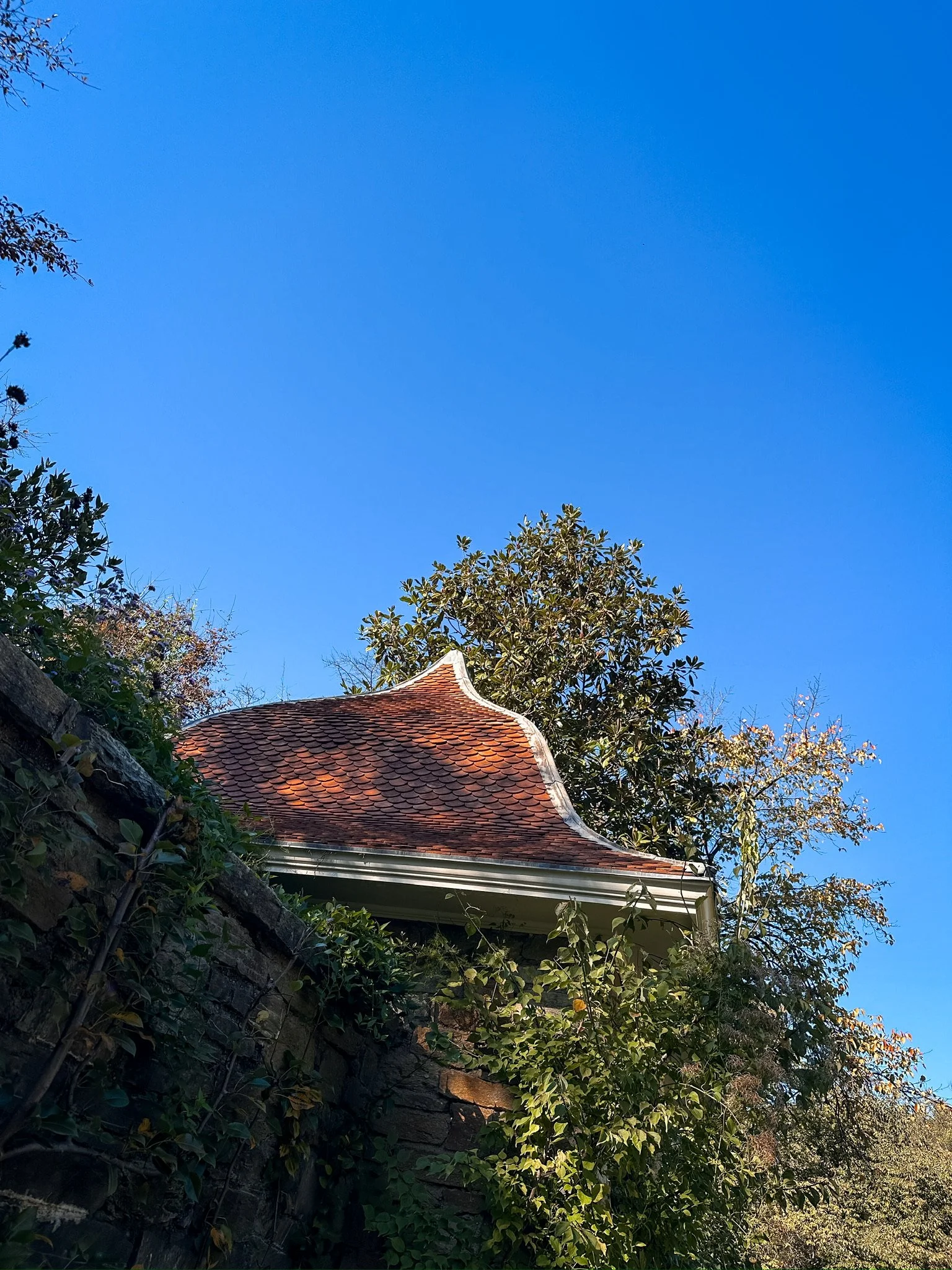
Brick and stone appear throughout the garden in walls, steps, edging, and paving. The brickwork near the house feels more formal, while the lower gardens gradually transition into more rustic stone. Changes in pattern and texture help distinguish one room from another and reinforce the feeling of moving farther into the landscape.
A Garden That Evolves
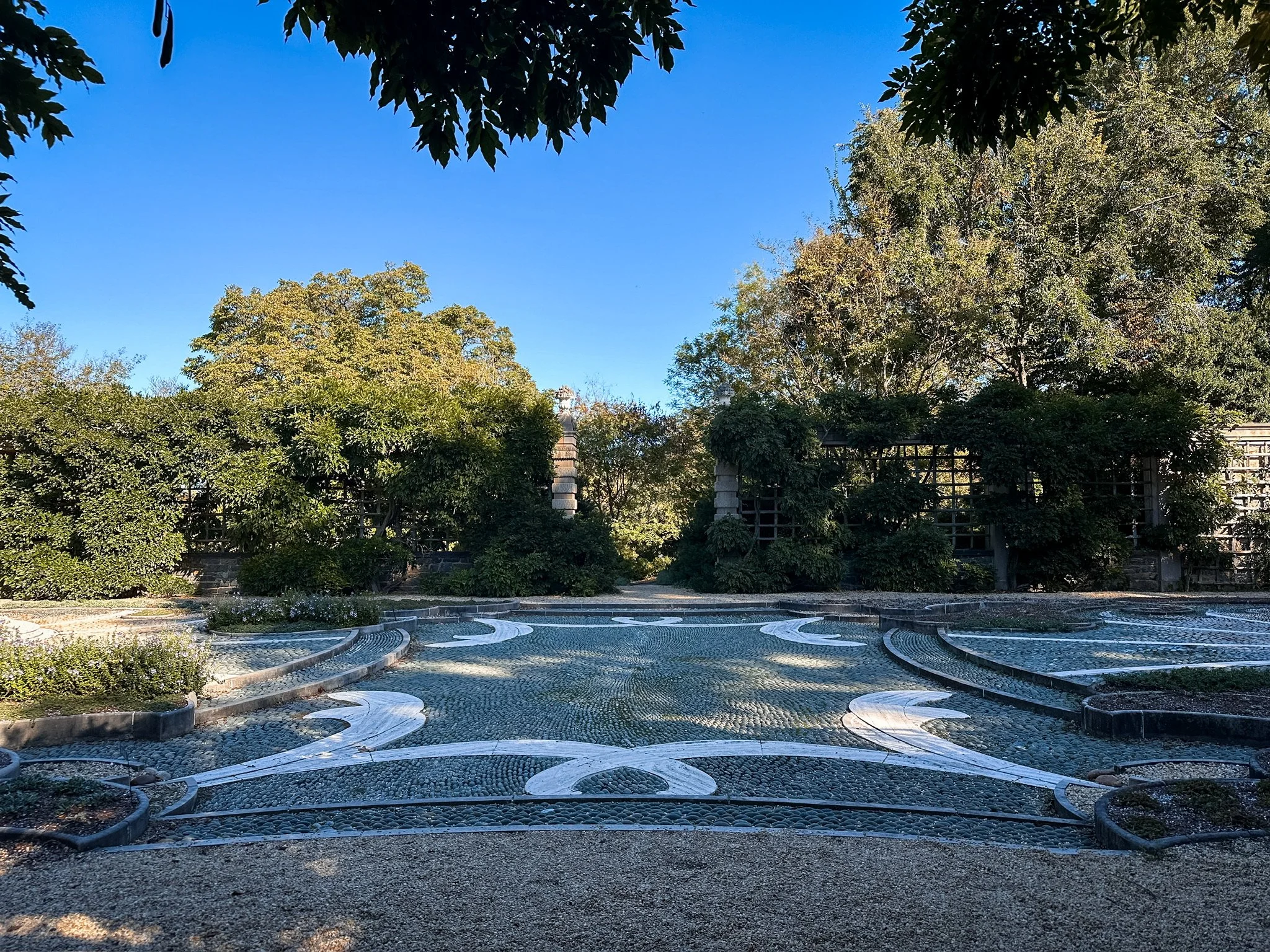
Time has clearly shaped the garden, too. Nearly a century of growth can be seen in its old magnolias, Japanese maples, and the wisteria surrounding the Pebble Garden.
That sense of age cannot be recreated all at once. It is a reminder that designing a garden means planning for something that will continue to grow and change over many years.